
Miami Swimming Pool & Drowning Lawyer
Miami Drowning Accident Lawyer · Statewide
Miami Swimming Pool Accident & Drowning Lawyer
A drowning can happen in seconds. Many trace back to a missing fence, a broken gate, an absent lifeguard, or a dangerous drain.
Drownings Are Preventable
Florida leads the country in drowning deaths of children ages 1 to 4, and home swimming pools are where young children are most likely to drown. Hotels, condominiums, apartment complexes, vacation rentals, water parks, and homeowners all have legal duties to keep their pools safe. When they fail, Montoya Law, P.A. helps families and survivors of near drownings get answers and accountability.
Common Causes We Investigate
- Missing or broken pool fences, gates, and self-latching hardware
- Home pools missing the fence, safety cover, or door alarm required for new pools under Florida’s Residential Swimming Pool Safety Act (chapter 515)
- No lifeguard, or lifeguards who were distracted or untrained
- Dangerous drains and suction entrapment
- Cloudy water that hid a swimmer in distress
- No depth markings, warning signs, or rescue equipment
- Alcohol service at pool bars without supervision
Where Pool Accidents and Drownings Happen
Hotel & Resort Pool Drownings
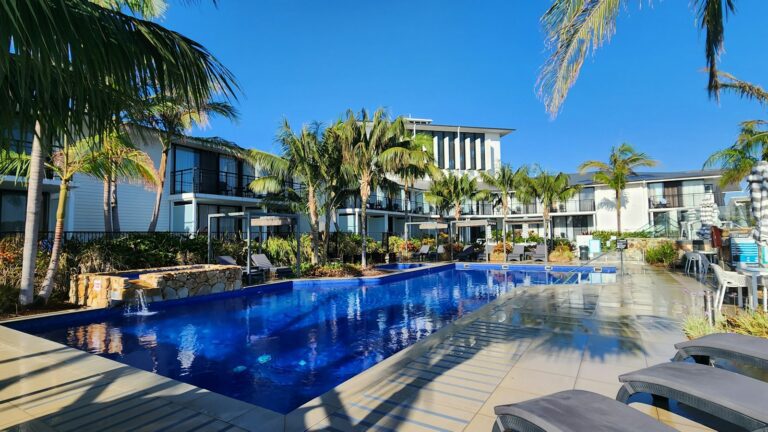
Guest pools left unattended, often with visiting families who do not know the property.
Condo & Apartment Pool Accidents

Broken gates and poor maintenance by associations and management companies.
Vacation Rental Pool Drownings (Airbnb & Vrbo)

Private pools without fencing or alarms rented to families with small children.
Water Park Accidents
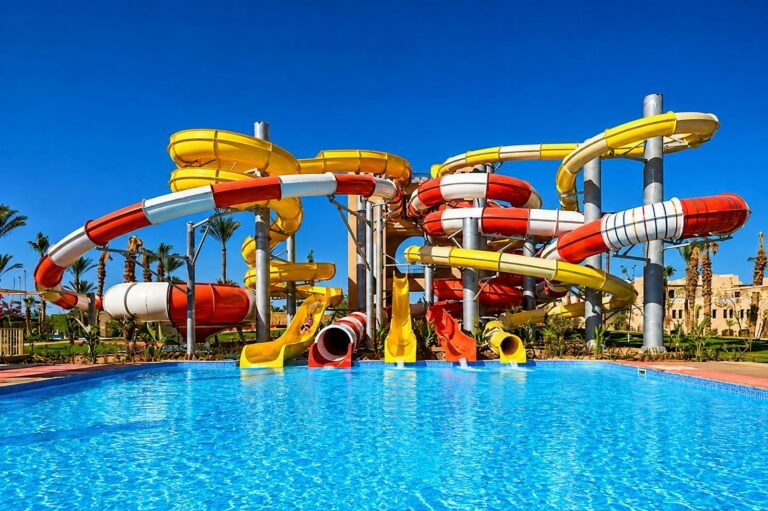
Wave pools, slides, and lazy rivers with inadequate lifeguard coverage.
Swim Lesson, Camp & Daycare Drownings
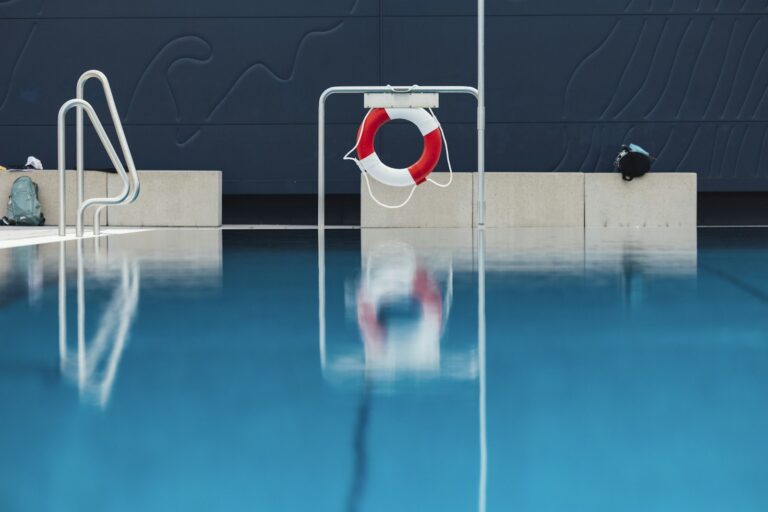
Field trips and summer programs without proper supervision.
Backyard Pool Drownings
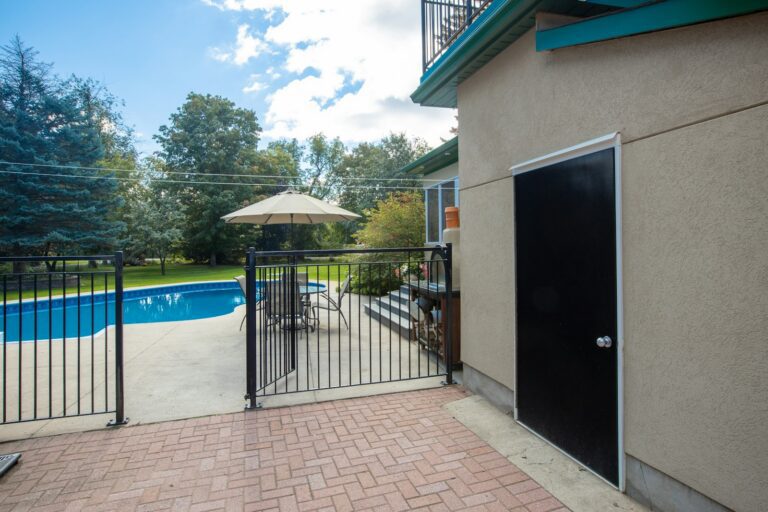
Neighbor, relative, and family pools left without a fence, alarm, or safety cover.
Choosing a Miami Drowning Accident Lawyer
Drowning and near-drowning cases require fast action, because pool records, gate repairs, and lifeguard schedules can change within days. Montoya Law, P.A. has represented families in catastrophic injury and wrongful death cases for more than three decades, and our team brings more than 45 years of combined experience to drowning and near-drowning claims. See our trial experience.
- Inspect fencing, gates, alarms, and drain covers before they are repaired
- Review Florida Residential Swimming Pool Safety Act requirements
- Examine lifeguard staffing, warning signs, and depth markings
- Handle claims for children and adults, including brain injury from near-drowning
Near Drowning and Brain Injury: Understanding the Full Harm
Many people survive a drowning incident but are never the same. When someone is underwater, the brain loses oxygen, and brain cells can begin to die within minutes. Doctors call this a hypoxic brain injury when the brain gets too little oxygen and an anoxic brain injury when it gets none. A child or adult who is revived at the pool may still face serious, lasting harm, and the full extent of that harm is often not clear for months. In young children, some problems appear only as they grow and school demands increase.
How a Brain Injury Can Change Daily Life
- Thinking and memory: trouble paying attention, learning, remembering, solving problems, and making decisions
- Physical function: weakness, loss of coordination, seizures, and difficulty speaking, swallowing, or walking
- Behavior and emotions: personality changes, frustration, anxiety, depression, and difficulty controlling impulses
- Relationships: strain on marriages, friendships, and family life, and the loss of the person the family knew
- School and work: special education needs, lost earning capacity, or the inability to work at all
- Independence: help needed with everyday tasks, and in severe cases, 24-hour care for life
How We Investigate and Explain the Damages
Insurance companies often focus on the medical bills already paid and downplay what lies ahead. We do the opposite. We investigate how the injury has affected every part of the survivor’s life, and we work with the professionals needed to explain it clearly to an insurer, a mediator, or a jury:
- Medical specialists, such as neurologists, pediatric neurologists, and rehabilitation physicians, to explain the injury and the prognosis
- Neuropsychologists, to test and document memory, attention, reasoning, and behavior
- Life care planners, to build a detailed plan of future medical care, therapy, medication, equipment, home changes, and caregiver support
- Vocational and economic professionals, to measure lost earning capacity and the cost of future needs over a lifetime
- Family members, teachers, coworkers, and friends, who can describe who the person was before and how daily life has changed since
Together, this work gives a full picture of what the survivor has suffered, what life looks like today, and what the future will require. That picture is the foundation for a settlement or verdict that truly covers a lifetime of needs. When the survivor is a child, parents may also have claims of their own, including for medical expenses they pay while the child is a minor.
Frequently Asked Questions
Who is responsible for a drowning at a hotel or condo pool?
Often the owner, the management company, a security or lifeguard contractor, or a pool maintenance company. We investigate every party.
How long do we have to file?
Generally two years for wrongful death and for most negligence claims. Evidence like video and maintenance logs can be lost much sooner.
We were tourists. Can we still bring a case?
Yes. A drowning or injury that happens in Florida can generally be brought in a Florida court, wherever the family lives. Hablamos español.
Lost a Child or Loved One in a Pool? Call Us.
Talk with a Miami drowning accident lawyer. Free, confidential consultation anywhere in Florida. No fees or costs unless we recover for you. Hablamos español.